Health platform
Elana Health (Peli Health)
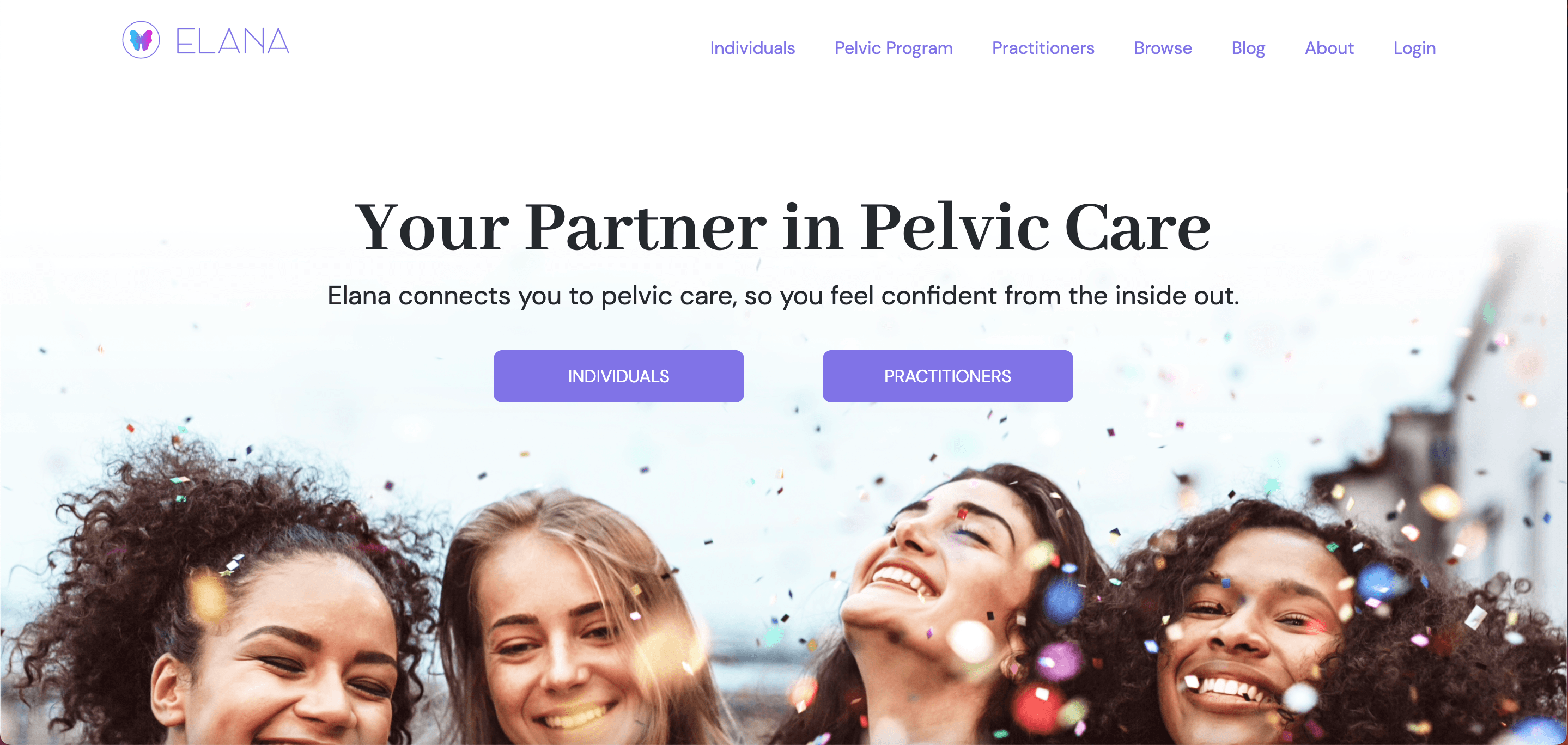

Project Overview
Pelvic Health and disorders have a bit of stigma in society currently. The 2 founders behind Elana health set out to create a central place that:
1) Destigmatizes Pelvic health disorders
2) To provide resources.
They want us (MakeitMVP Team) to design a Practitioner Marketplace and Symptom Tracker for patients. I worked with these amazing designers to bring the project to fruition : Matt Hughes, Lauren Seff, Daniel Park and Paul Chi
Research
Problem
To connect women to pelvic care practitioners, products, and information to prevent and treat pelvic care disorders
Research Goal
We want to know what patients need and we want to know what practitioners need
Research Method
Surveys and Zoom interviews
Participants
Women between the ages of 30-55
Key Research Segments
We decided as a group to break the research into these key parts below:

Competitor Audit
User Interview
Feature Matrices
Survey for Practitioners
User Interview
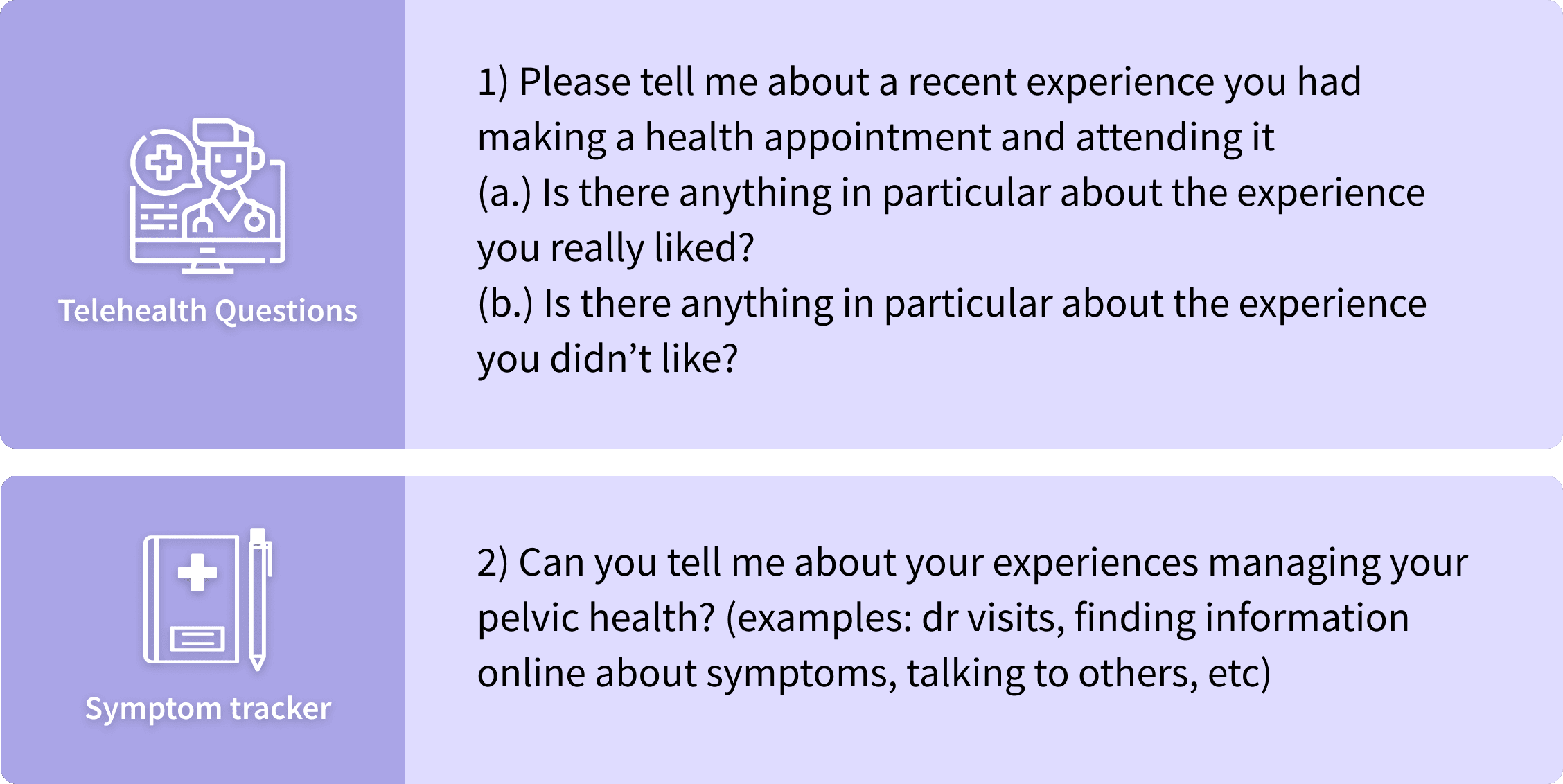
One of the other designers and I took the interview portion since it was a tight deadline. I interviewed 2 participants.
They both had experience with telehealth. They also were dealing with pelvic health issues as well. We agreed on a script with the interview questions so that we were clear on the type of info we needed.
We divided the questions into Telehealth and Symptom Tracker. I put some of the questions along with an overview of both interviews.
Research Results Affinity Map
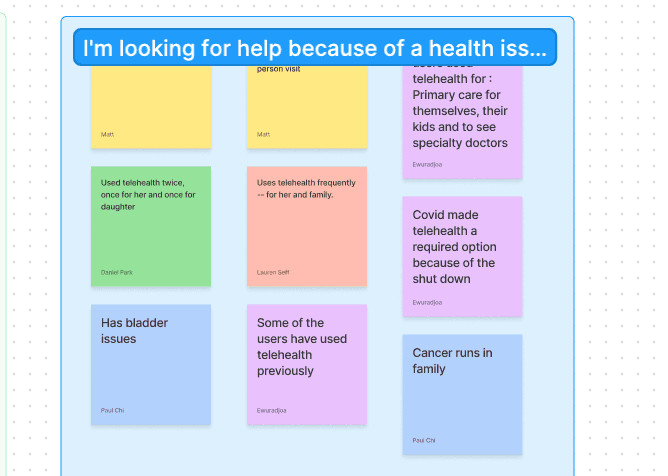
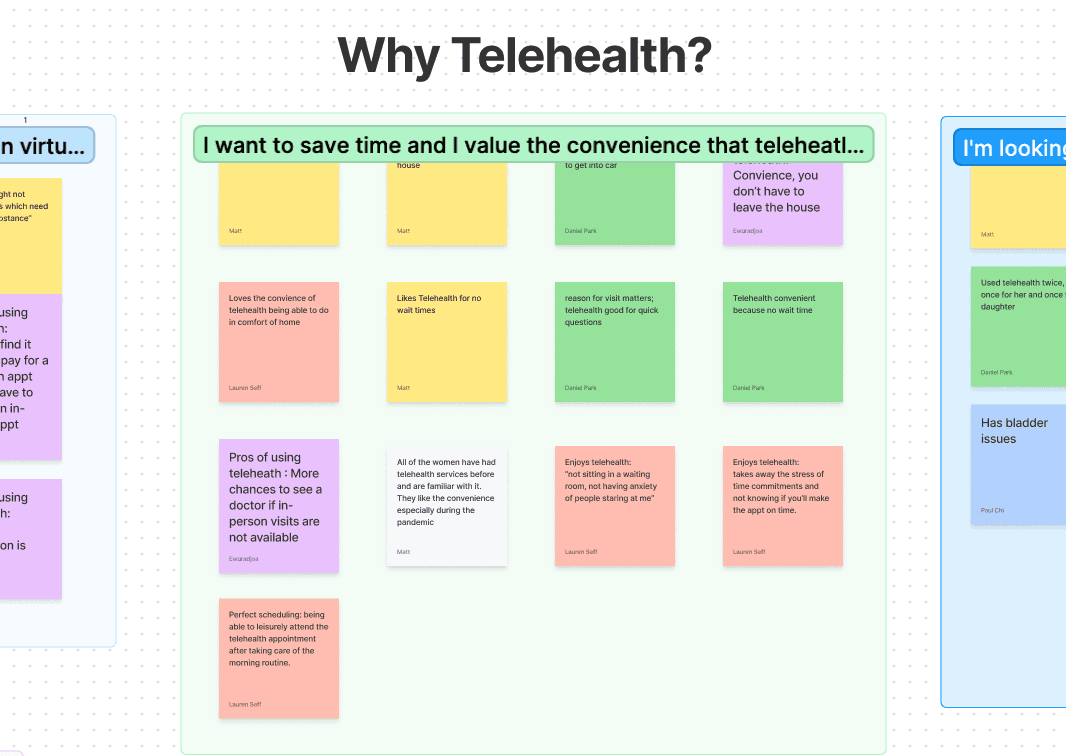
We put each of the interview answers on virtual sticky notes and categorized them. Similar answers were placed next to each other. We reached this conclusion : All participants, despite their different use-cases, want a tool to simplify and improve their quality of life.


Persona
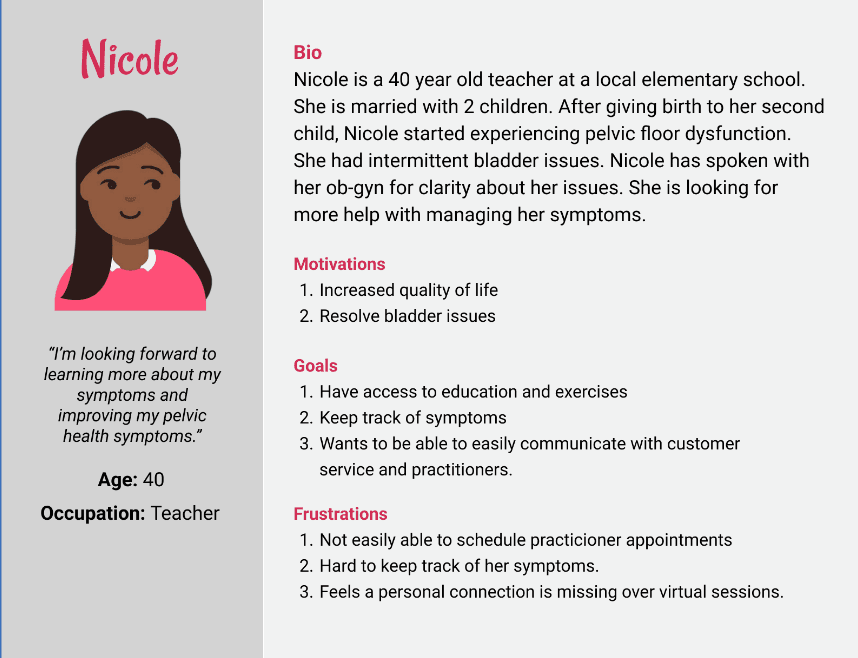
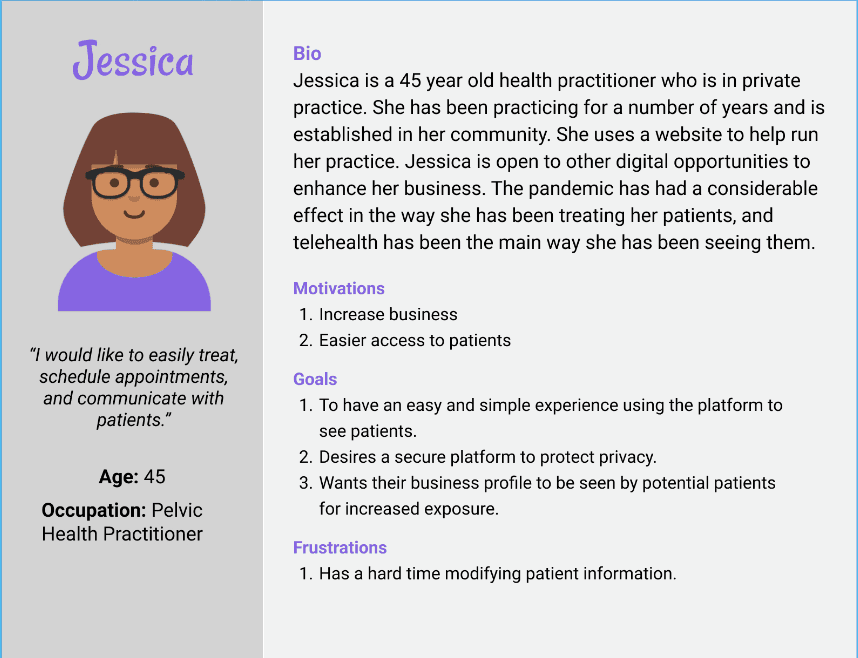
We took the data from the patient interviews and the practitioner surveys. We decided to name the patient persona Nicole and the practitioner persona Jessica. Each persona highlights the needs and wants of each group.
Sketches
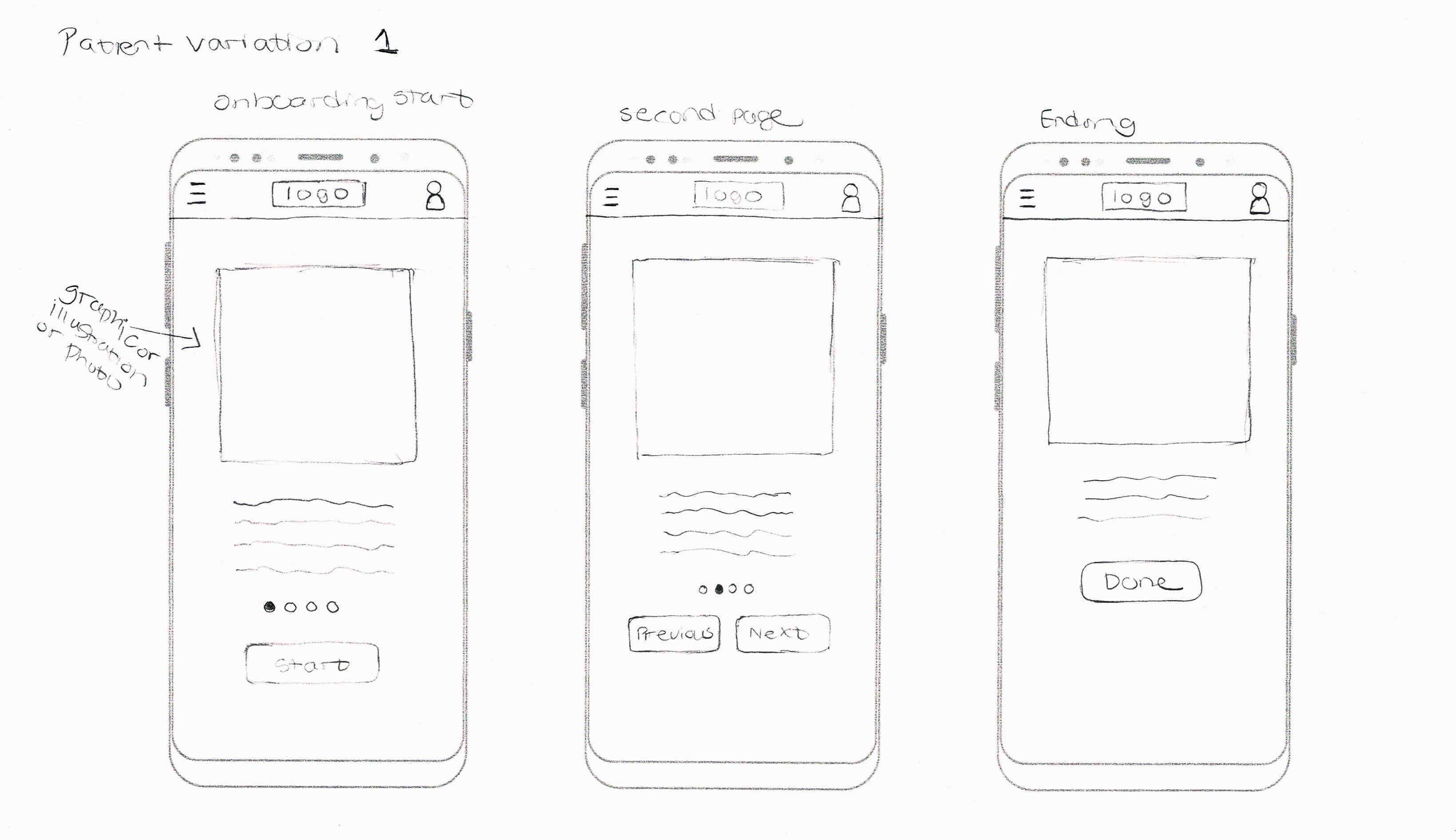
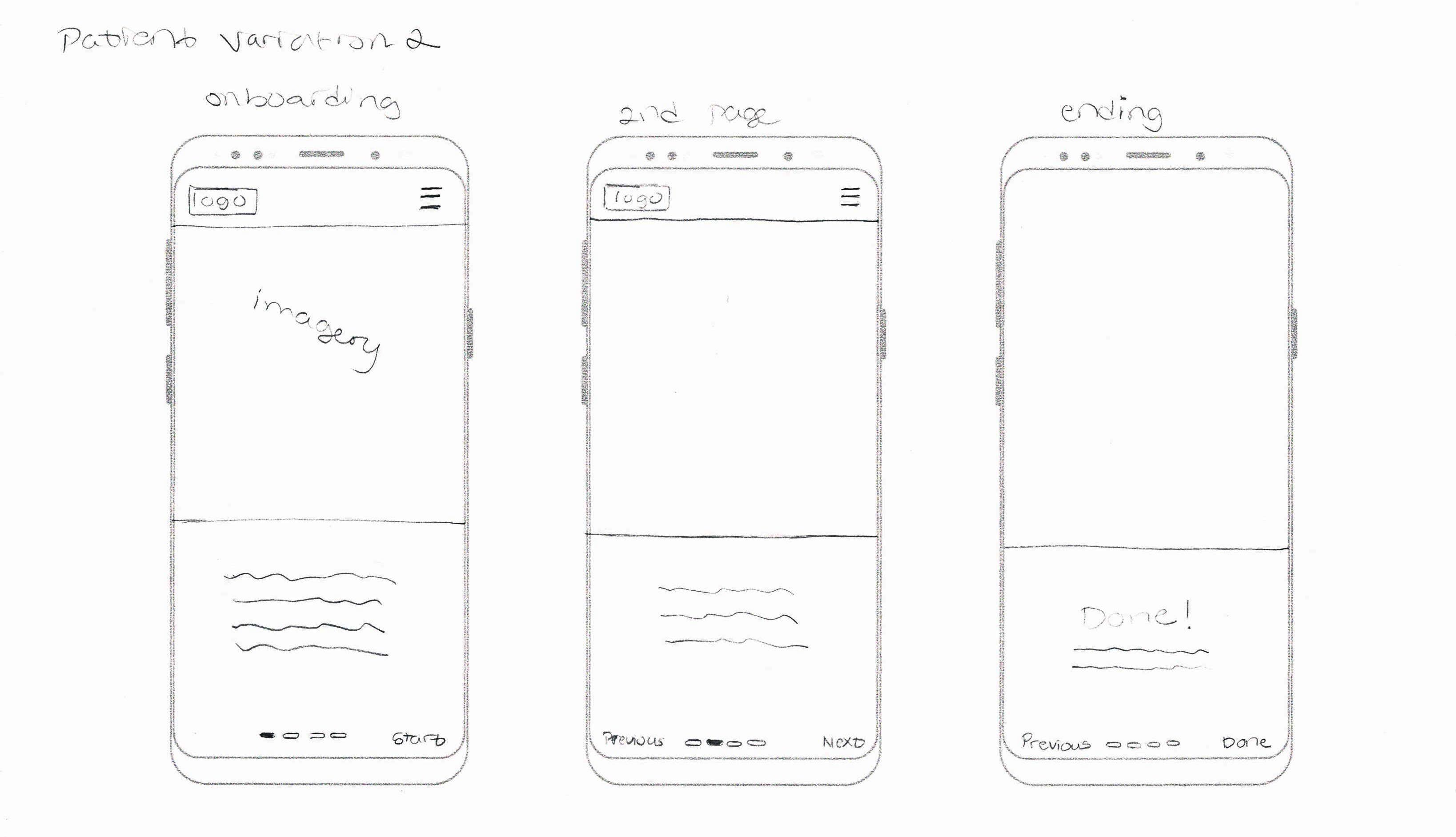
Originally the plan was to create flows for both the patient and practitioner. However due to technical and time constraints the scope of the project was shortened. We now switched to focus on creating a home page and a sign up and practitioner flow. I put my original sketches for the sign up flow to the left,
Wireframes
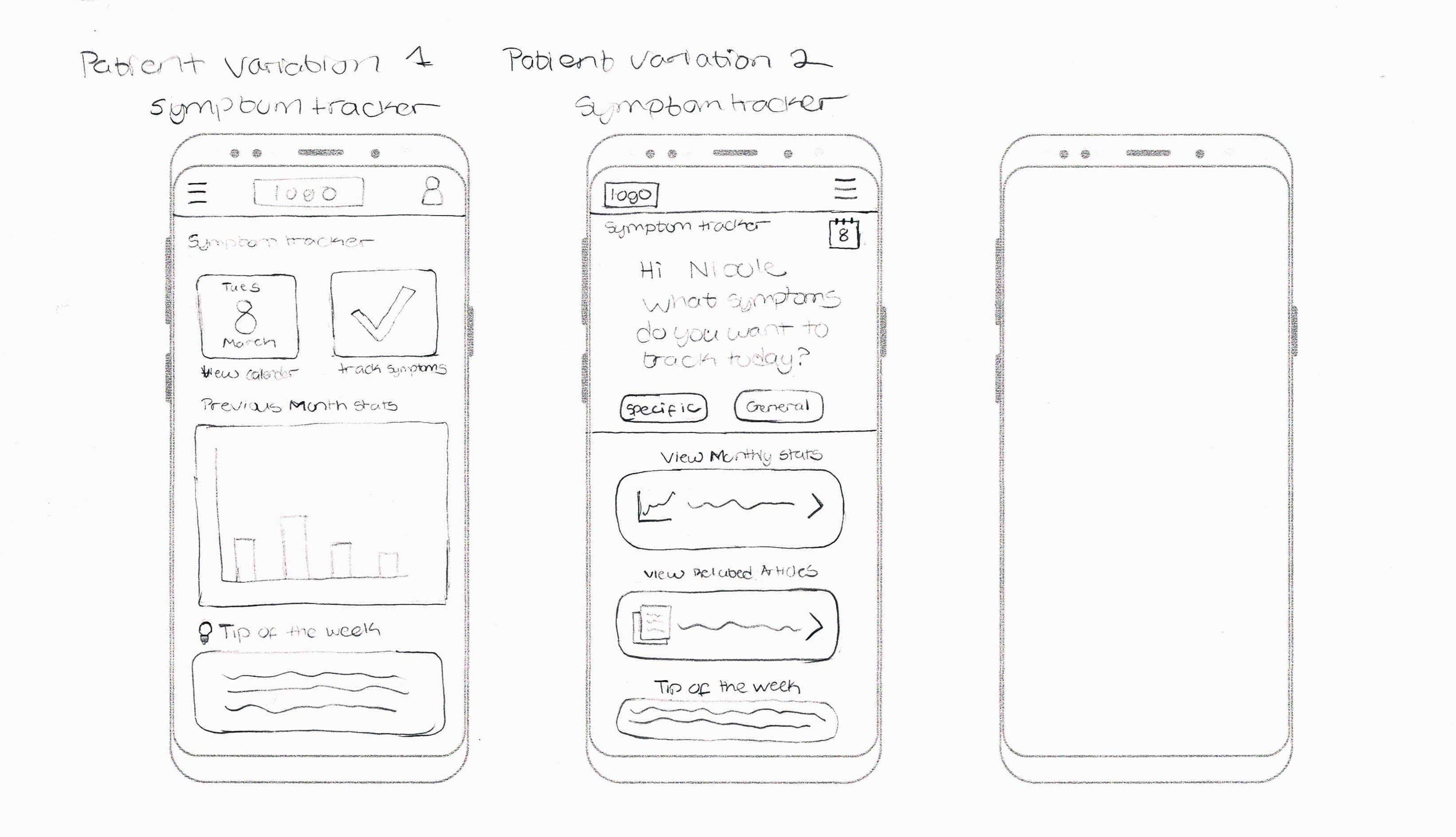
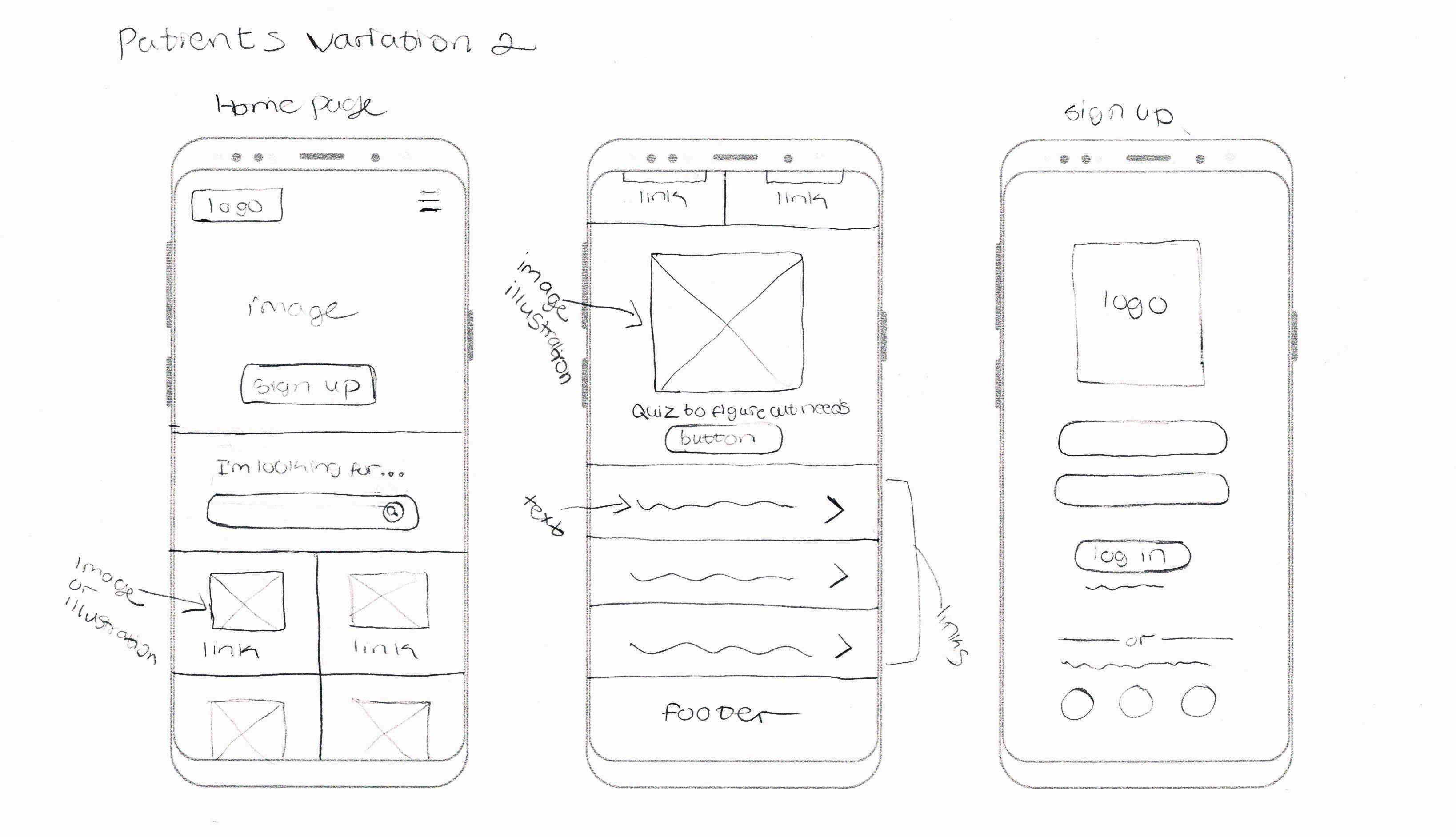
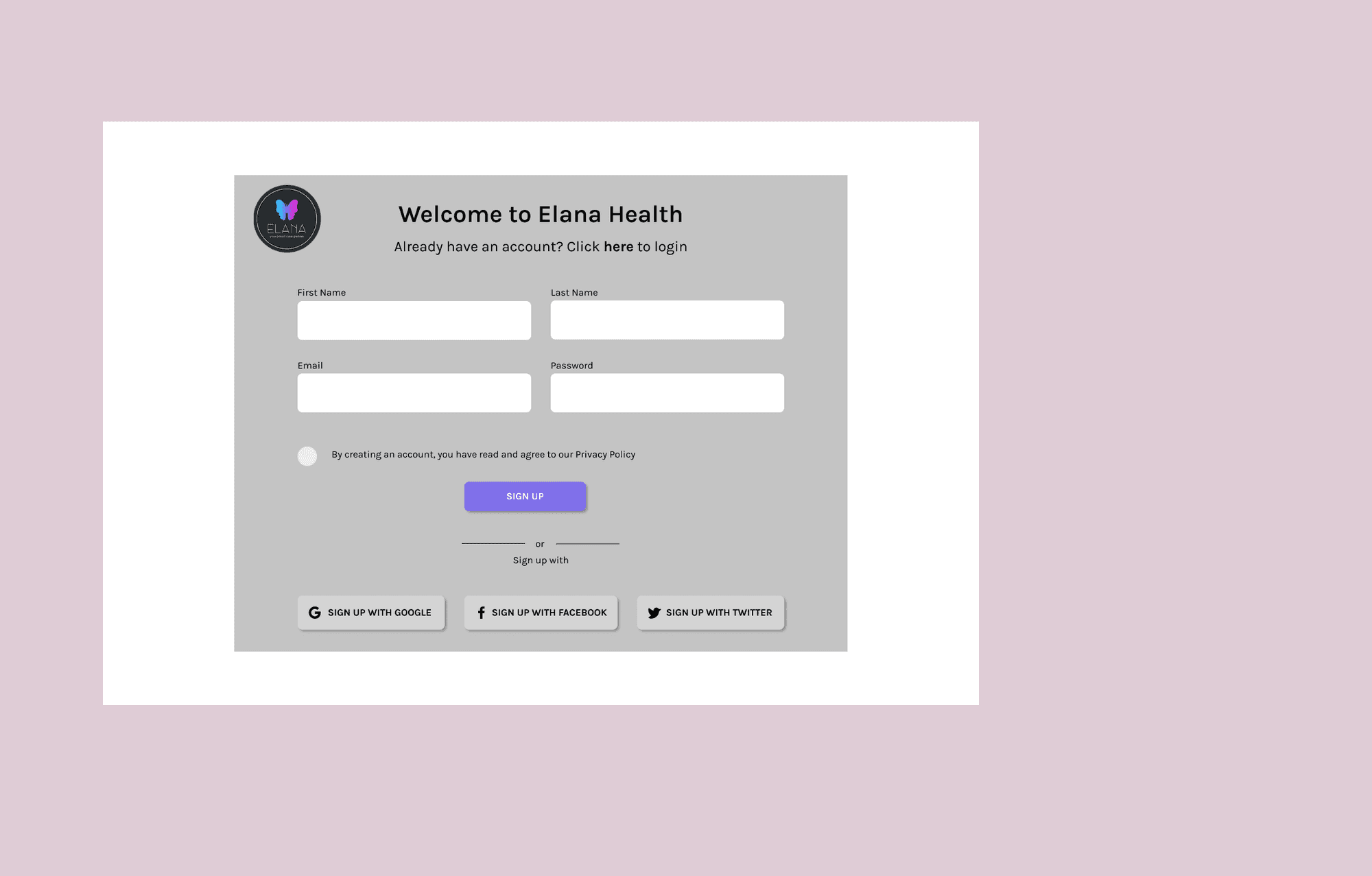
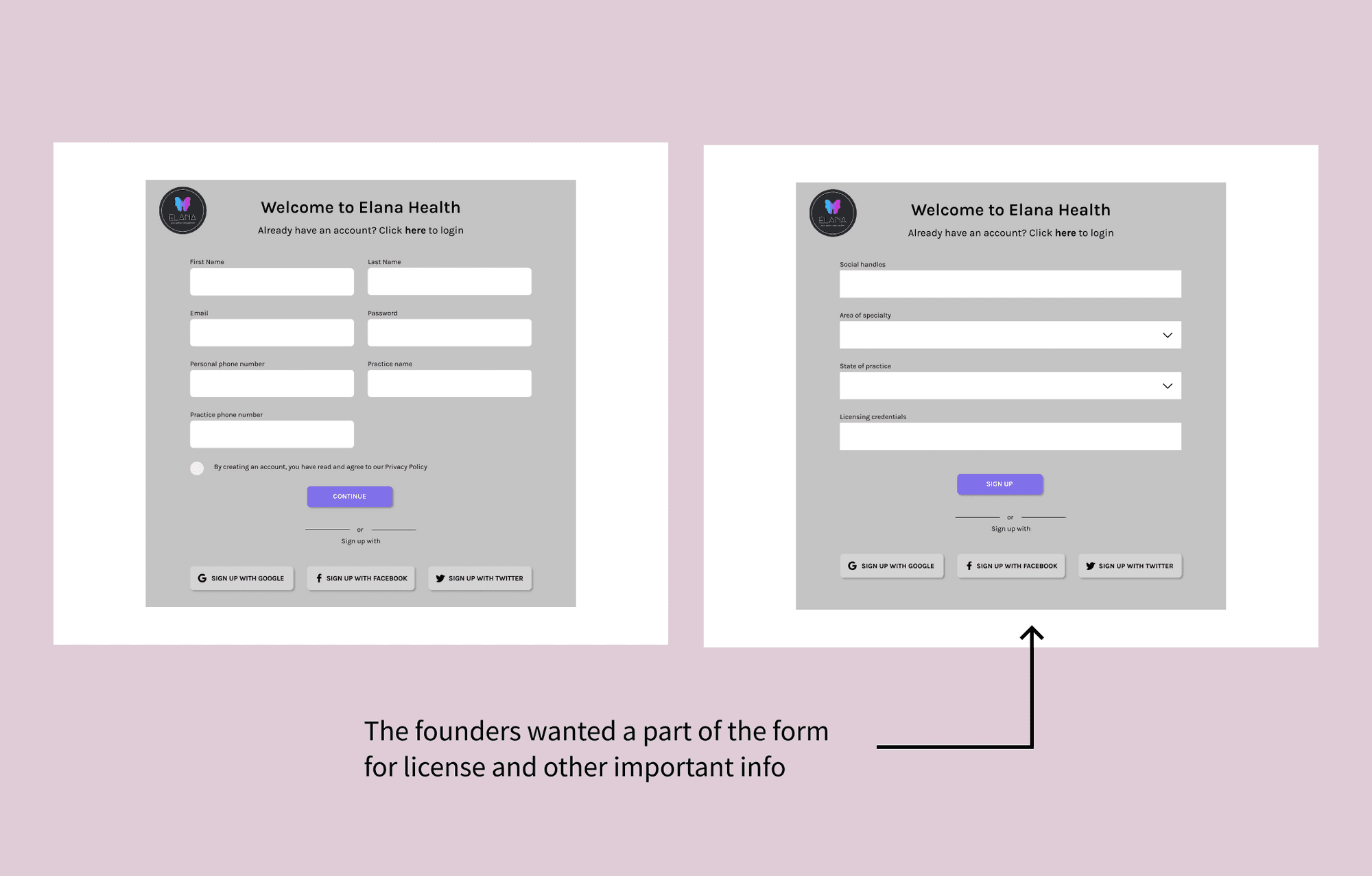
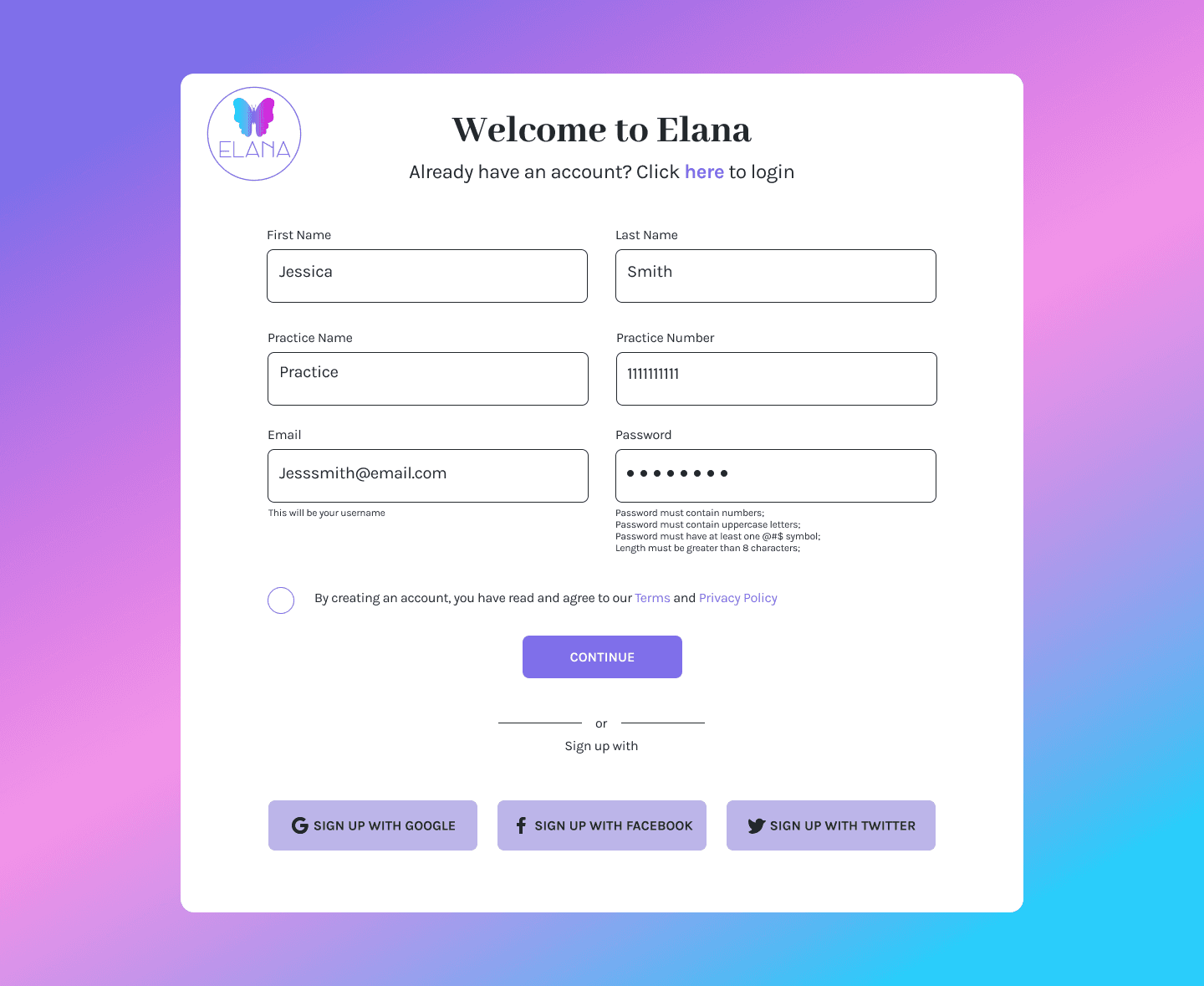
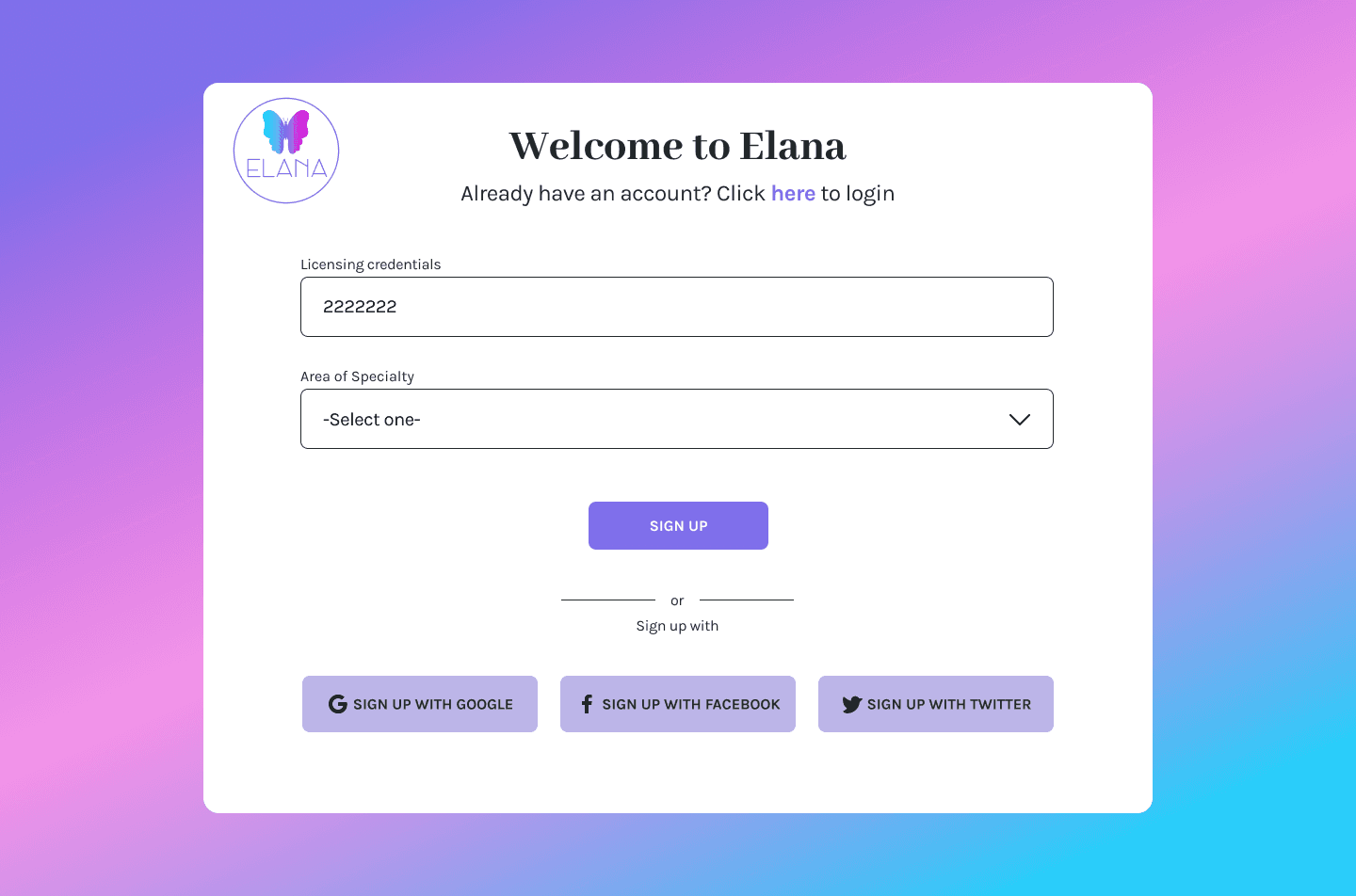
We decided as a team of the key screens that had to be created with the research as our guide. We made a home page, sign-up pages, browse practitioner pages, and a practitioner profile page. The individuals could join as a practitioner or individuals. Further user testing made it known that we needed to make it clear to practitioners what their part in Elana would be. The logins screens are for the practitioner.
Design Systems / UI
Design Systems
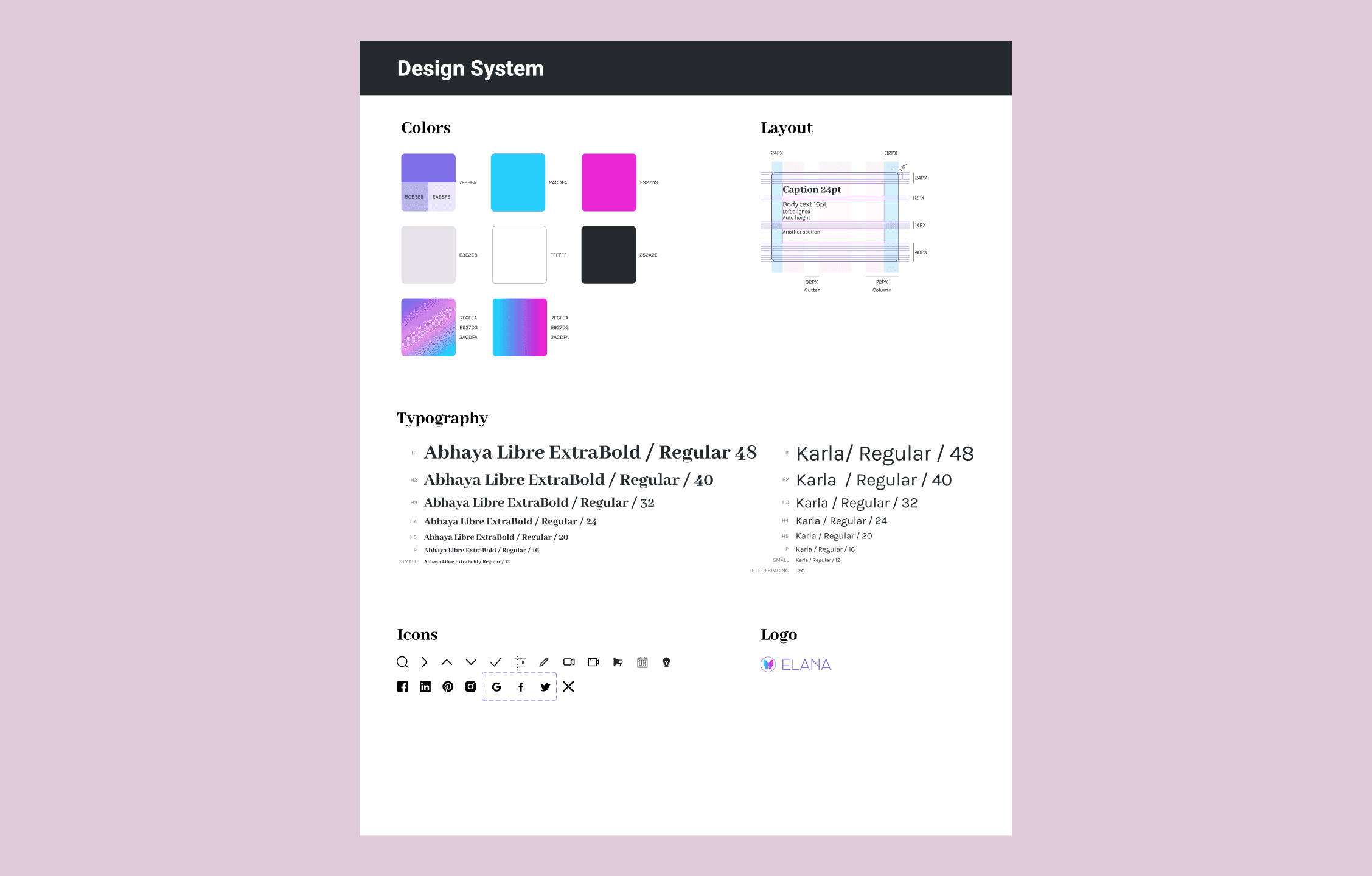
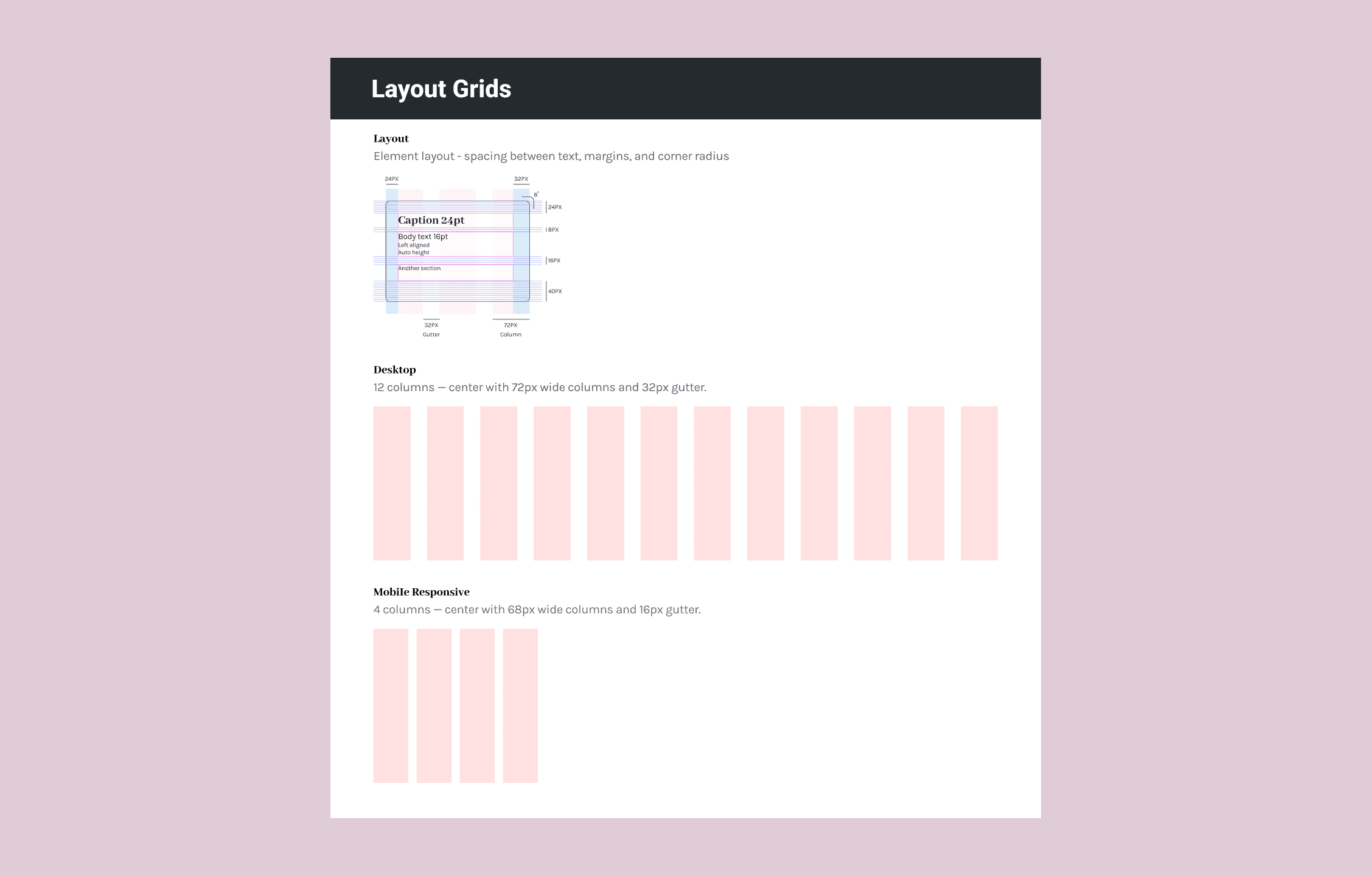
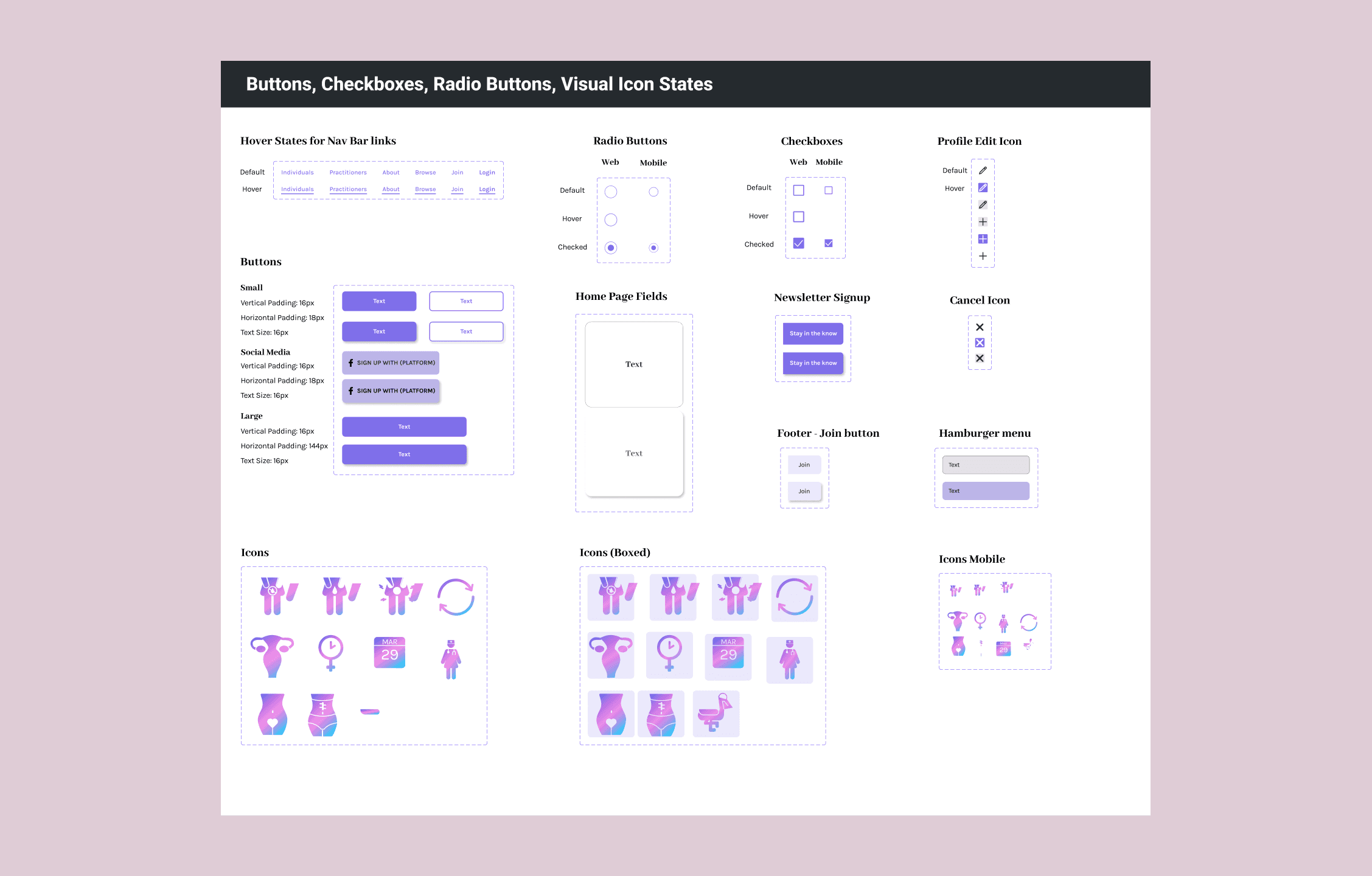
We created a design system and color palette for the website. We used the current colors from the logo as inspiration. The design system had a layout guide and an icon library so that we could have cohesion in the design of our screens. We updated and added color to our wireframes.
UI Screens
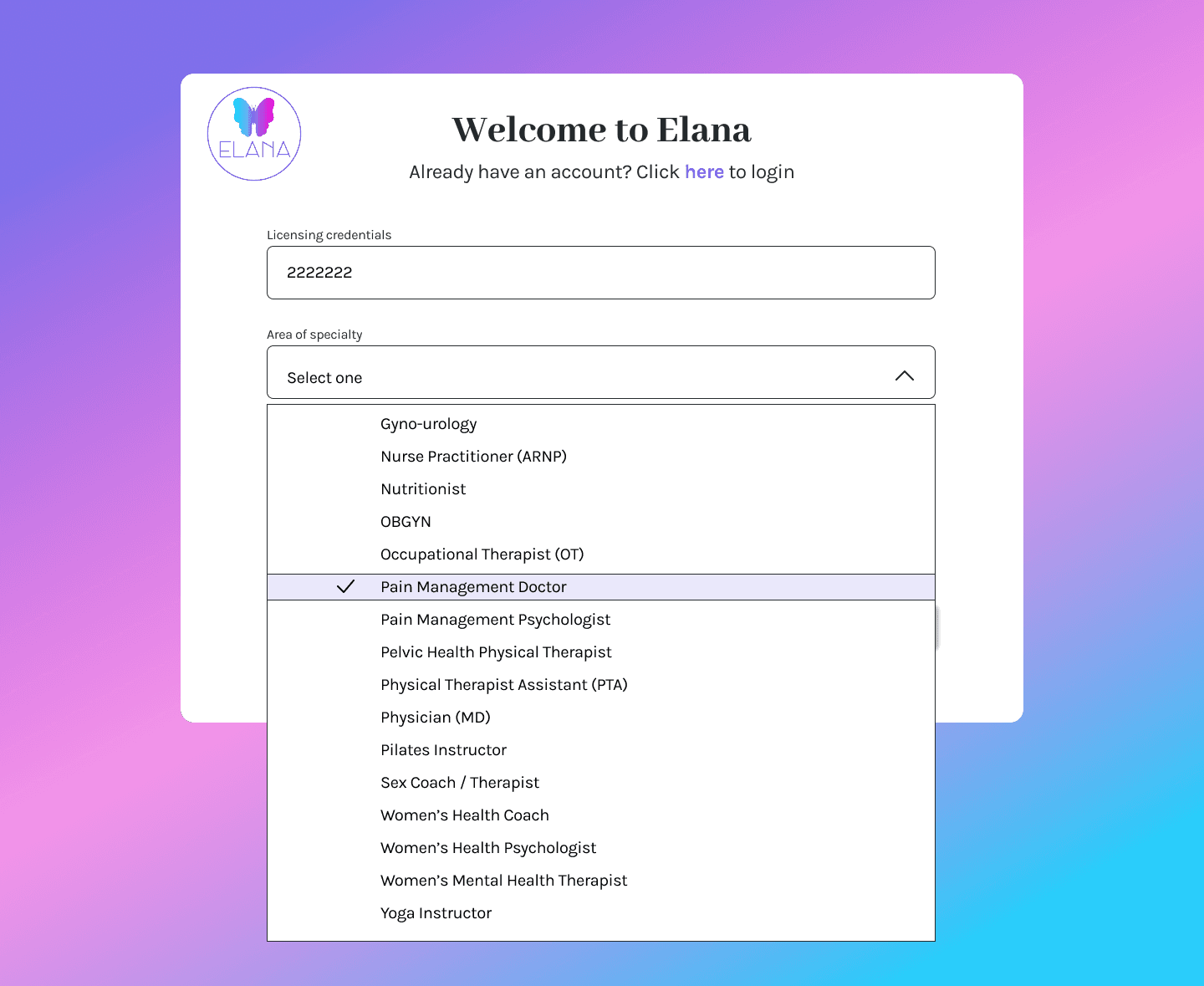
User Testing
Both the Lo-fi screens and Hi-fi screens were tested. Some of the designers on the team took care of the user testing. There was an overall impressions portion and then a few tasks given. The clip on the left is the Hi-fi prototype.
Validate Visual Design & Brand image impressions from users
Have the user navigate the website as a patient and search for a practitioner
Have a practitioner register/sign-up for the site
Iterations
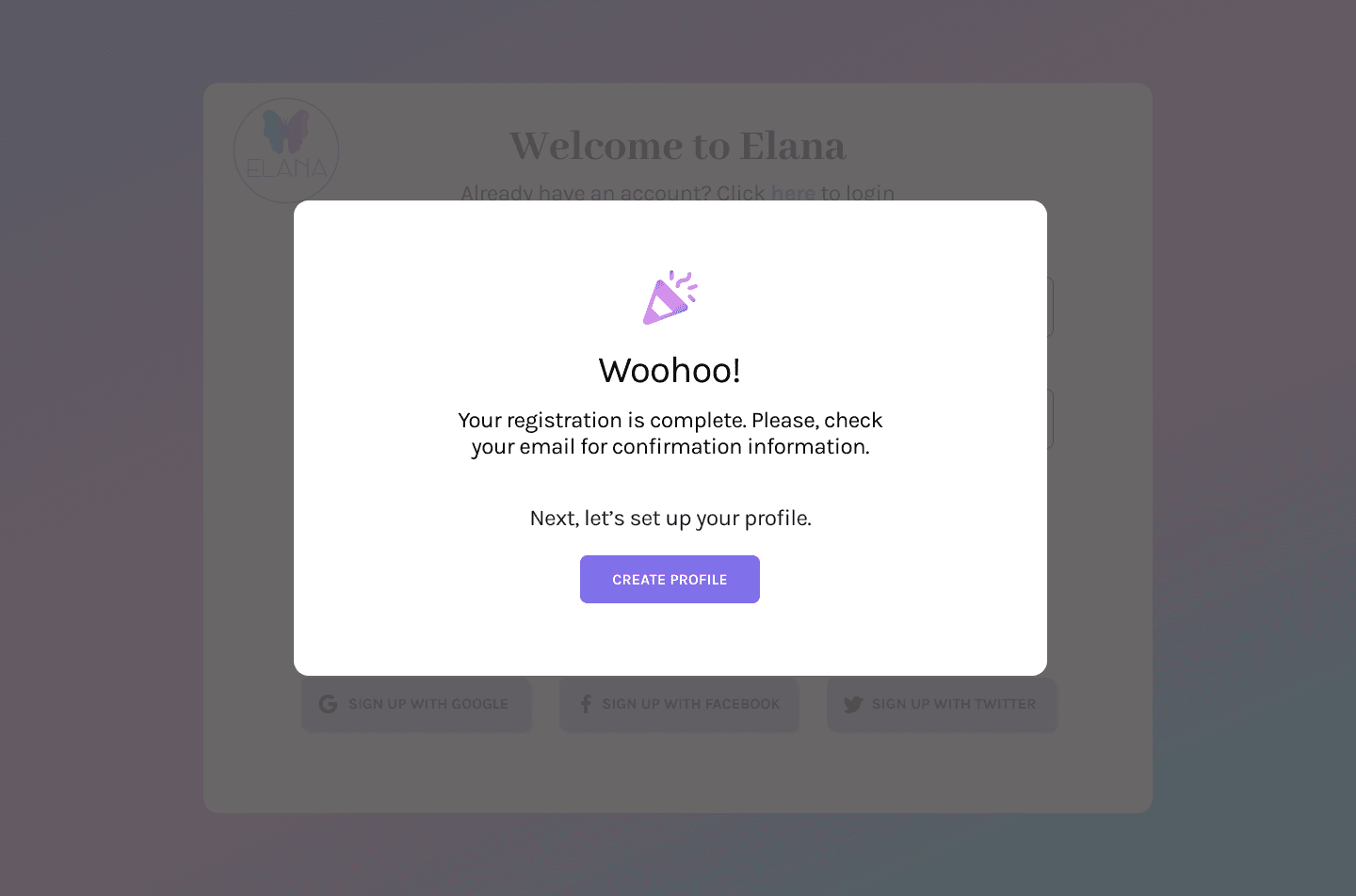
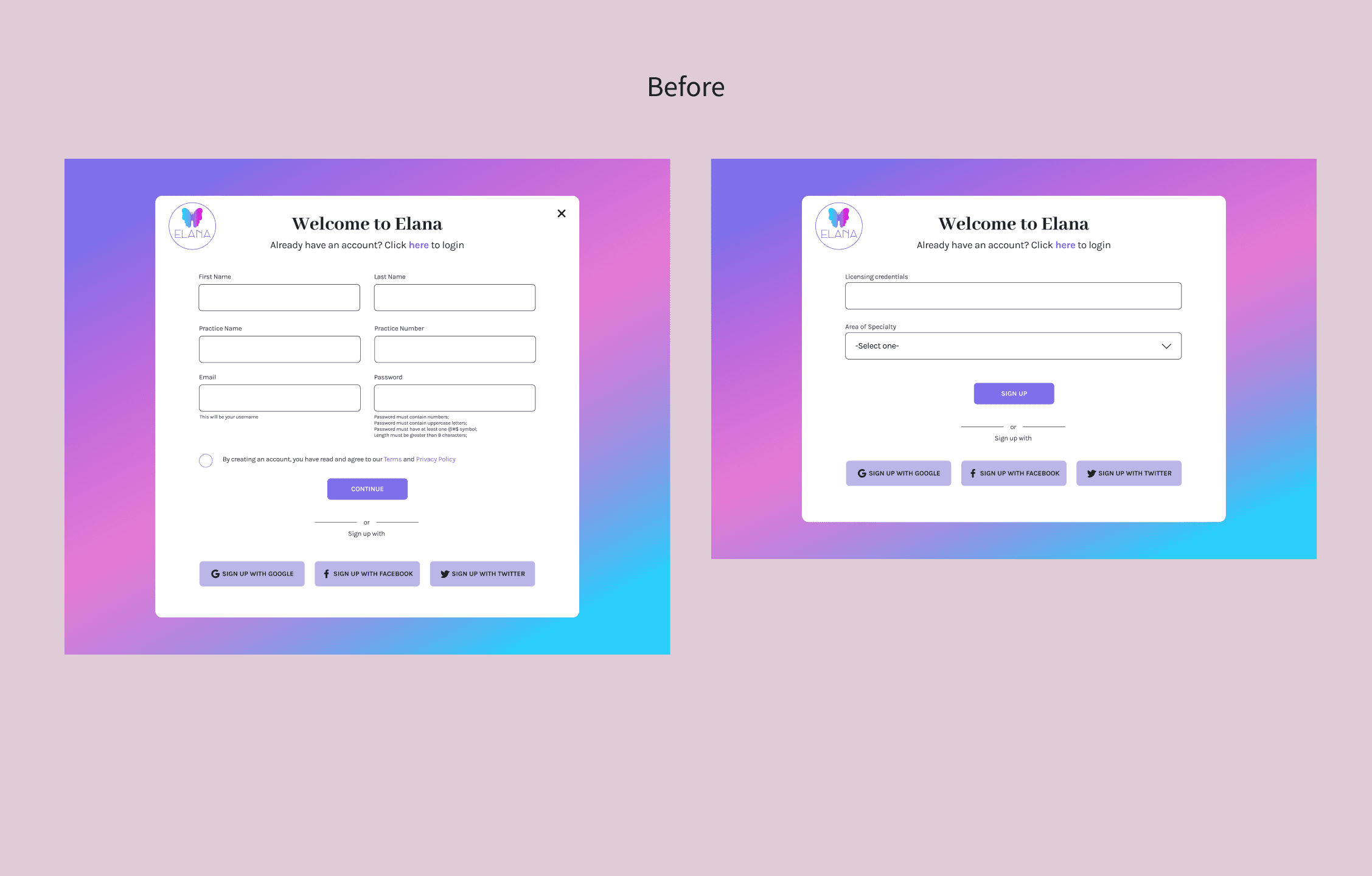
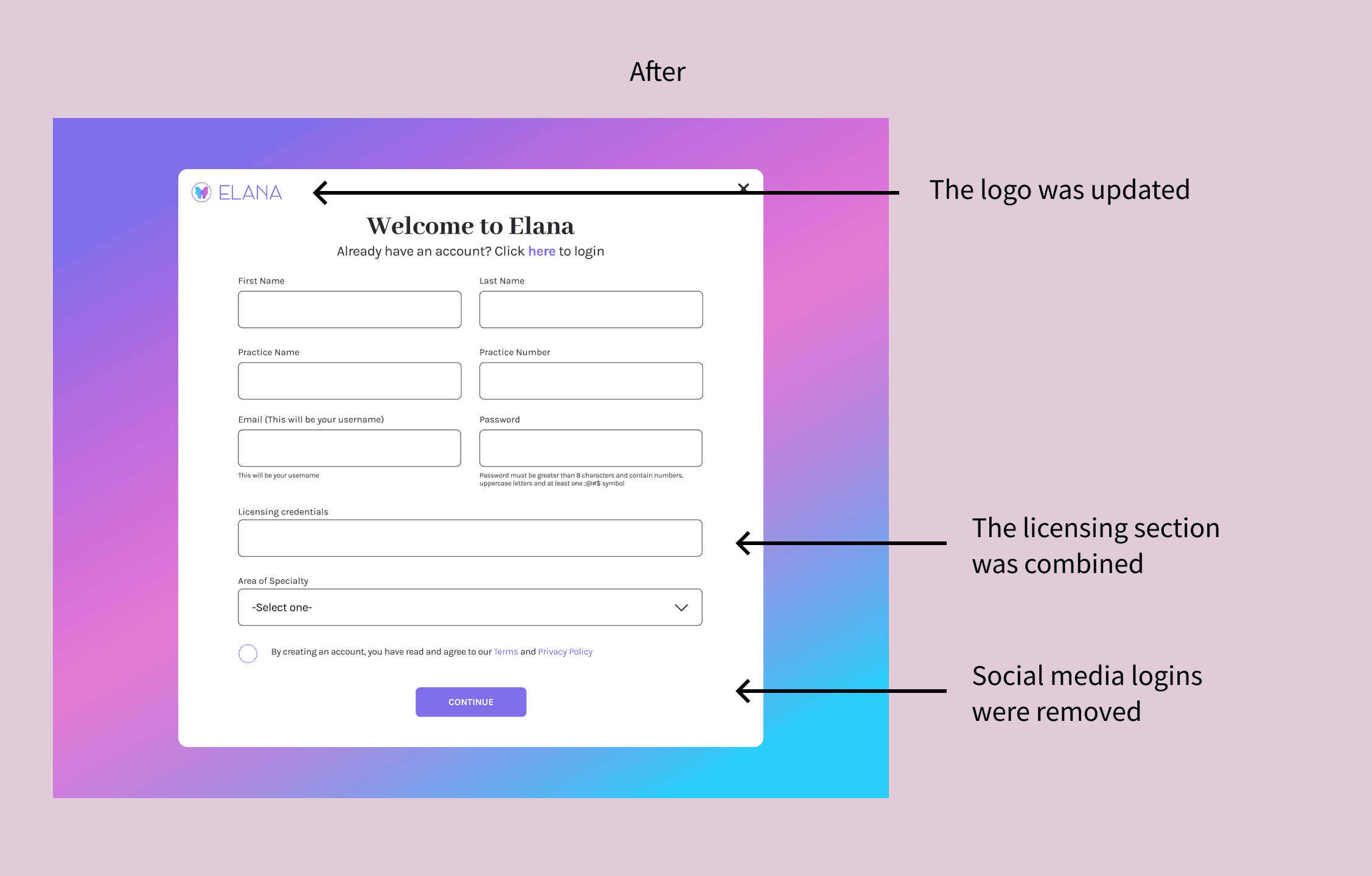
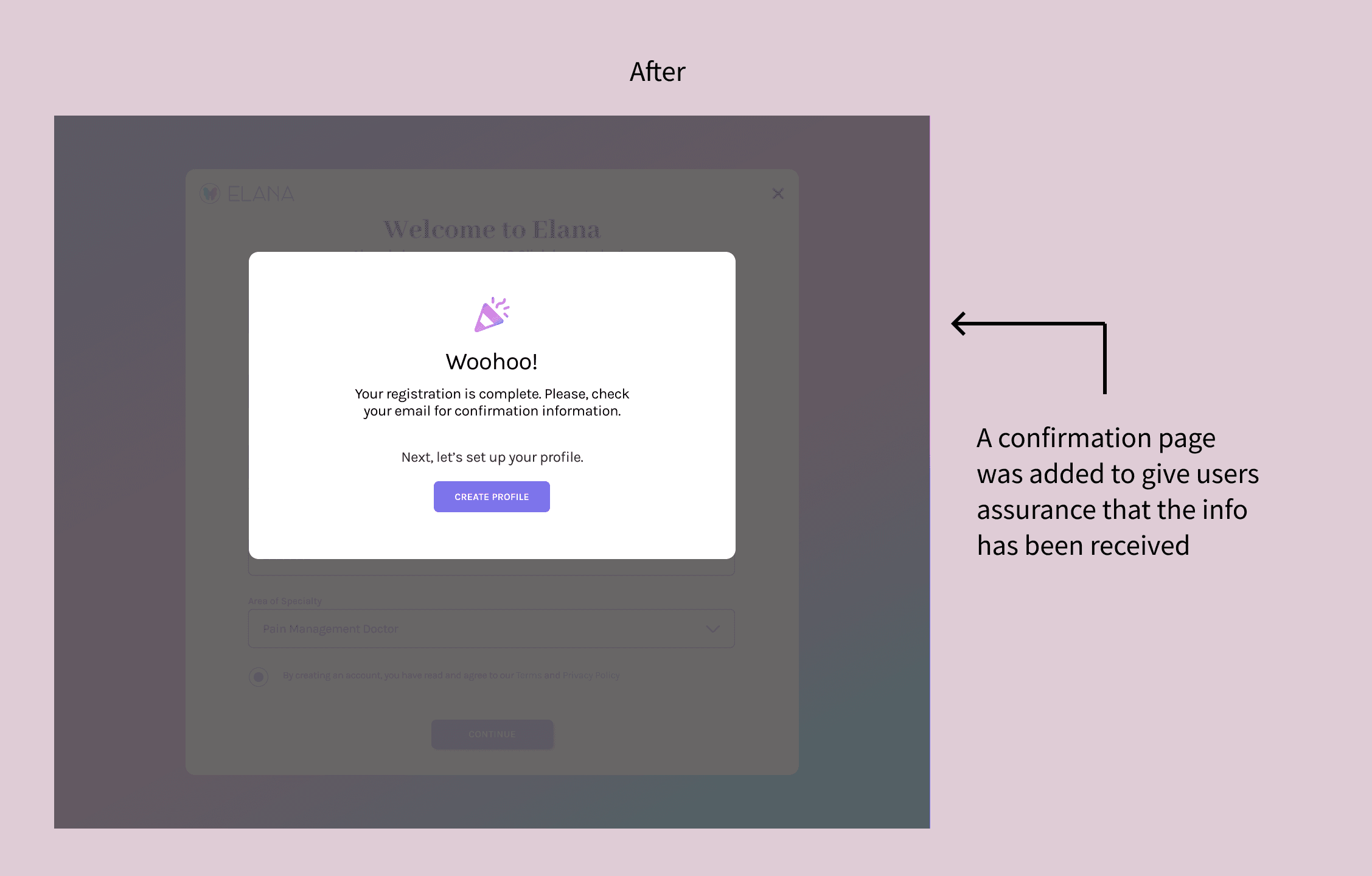
We combined the feedback from the user tests, founders and developers to improve our designs. Each designer took the feedback and improved the screens that they were in charge off. Overall the users like the aesthetics and the vibe of the website. The main improvements I had to add were: Combine the 2 sections of the login flow and add a confirmation page.
Build patient side of Elana
Build out appt calendar
Connect practitioner accounts to social media (Cross promotion)
Design Symptom tracker
Create payment flow for appts
Key Takeaways
Planning ahead helps avoid headaches
It is something I already do in my daily life but planning helped all the other designers and I stay on track. We were the most on track out of the other cohorts and founders.
Things will change
The scope of the project changed a lot from what we started with in order to stay on track and within developer constraints we had to be flexible as designers